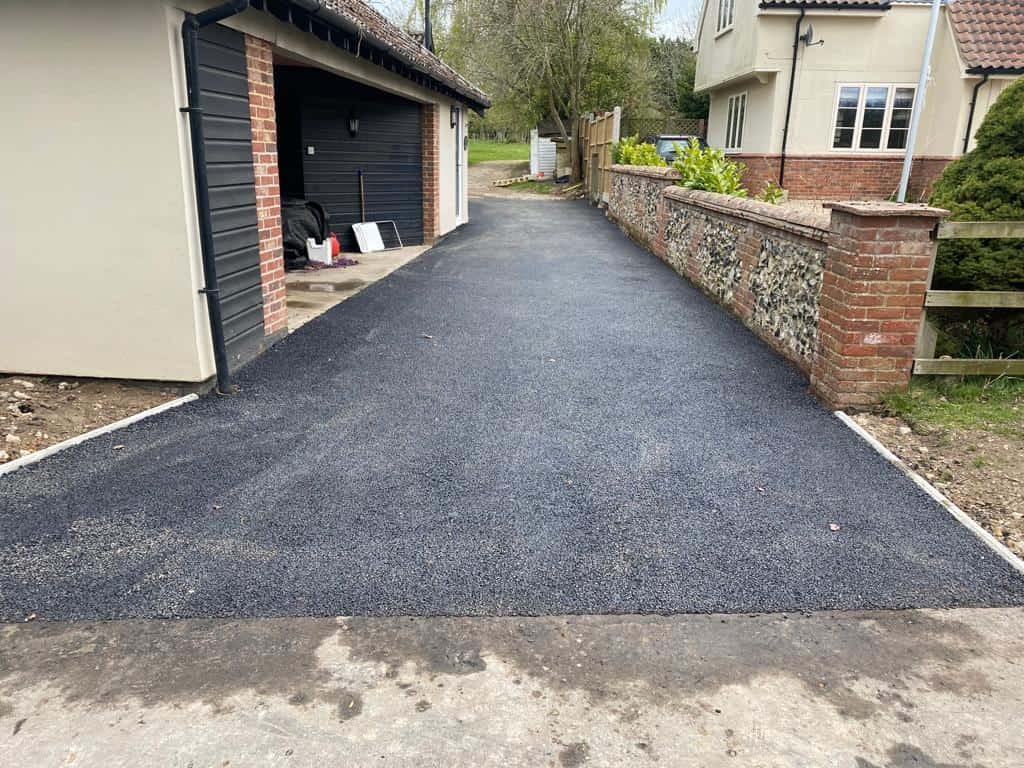
How to Prepare an Existing Surface for a New Tarmac Overlay
Installing a new tarmac overlay can be an effective way to improve the appearance and usability of an existing driveway or paved surface. However, achieving a durable, even finish depends on much more than simply laying fresh asphalt over the top. The condition of the existing surface must be carefully assessed and properly prepared before any new material is applied.
For property owners in Mundford, Norfolk, understanding the preparation process helps explain why professional assessment and groundwork are essential to a successful tarmac overlay. Proper preparation allows the new surface to bond effectively, drain correctly and perform reliably under everyday use.
Why Existing Surface Preparation Matters
An existing driveway may appear suitable for an overlay, but problems beneath the surface can affect the finished result. Cracks, loose material, uneven sections and poor drainage can all create weaknesses if they are not addressed beforehand.
Laying new tarmac over an unstable base may cause cracks and surface defects to reappear. Similarly, covering areas where water collects can leave drainage problems unresolved.
A thorough inspection helps establish whether the existing surface is structurally sound enough to support an overlay or whether more extensive repairs are needed first.
Assessing the Condition of the Existing Surface
The first stage is to examine the entire area and identify any defects that could affect the new installation.
Important areas to check include:
- Cracking: Widespread or deep cracks may indicate movement or weaknesses that need further investigation.
- Potholes and damaged sections: Broken areas should be repaired rather than simply covered with new material.
- Loose or crumbling tarmac: Unstable material can prevent the new layer from forming a reliable surface.
- Uneven levels: Depressions and raised sections may need correction to achieve a consistent finish.
- Drainage issues: Existing areas of standing water should be assessed before overlay work begins.
This assessment helps determine the most suitable preparation method and whether an overlay is appropriate for the driveway.
Removing Loose Material and Cleaning the Surface
Once the condition has been assessed, loose debris, vegetation, dirt and other contaminants need to be removed. A clean surface is important because dust, mud and organic material can interfere with the bond between the existing pavement and the new tarmac.
Any loose or deteriorated sections should be cut out or removed as necessary. Weeds growing through cracks and along edges should also be dealt with, as leaving vegetation in place can contribute to further surface deterioration.
Thorough cleaning provides a better foundation for subsequent repairs and preparation work.
Repairing Cracks, Potholes and Damaged Areas
Existing defects should be addressed before the overlay is installed. Small surface cracks may require appropriate sealing, while deeper damage or potholes may need to be excavated and reinstated with suitable materials.
Where the underlying foundation has weakened, simply filling the visible defect may not provide a lasting solution. The affected area may require more substantial repairs to restore stability.
This stage is particularly important because an overlay will generally follow the condition of the surface beneath it. Proper repairs help reduce the likelihood of existing problems transferring through to the new finish.
Checking Levels and Drainage
A successful tarmac overlay should provide a smooth, practical surface without creating unwanted water collection points. Existing levels must therefore be checked carefully before installation.
Low areas may need to be corrected, while raised sections could require adjustment to maintain suitable gradients. The finished surface should also direct rainwater towards appropriate drainage points rather than towards buildings or areas where it may cause problems.
For driveways in Mundford, Norfolk, considering how rainwater moves across the existing surface is an important part of preparing for a new overlay.
Applying the Appropriate Bonding Preparation
Before fresh tarmac is laid, the existing surface may require a suitable bituminous tack coat or bonding material. This helps the new layer adhere to the prepared surface and reduces the risk of separation.
The correct preparation depends on the existing material, its condition and the overlay specification. Applying bonding material to a dirty, wet or unsuitable surface will not produce the desired result, which is why cleaning and repairs must be completed first.
Confirming Whether an Overlay Is Suitable
Not every existing driveway is suitable for a tarmac overlay. If the base is severely damaged, unstable or affected by significant drainage problems, removing the existing surface and rebuilding the construction may be a more appropriate option.
An experienced surfacing contractor can assess the condition of the driveway and recommend whether an overlay or a more extensive installation is likely to provide the better outcome.
Conclusion
Preparing an existing surface properly is essential for achieving a smooth, durable and reliable tarmac overlay. Assessing the condition, removing loose material, repairing defects, correcting levels and ensuring suitable bonding all contribute to the quality of the finished driveway.
Mundford Driveways & Surfacing provides professional driveway and surfacing services in Mundford, Norfolk. If you are considering a new tarmac overlay, contact the team to arrange an assessment and discuss the most suitable approach for your existing surface.
Call us on: 01842 778 593
Click here to find out more about Mundford Driveways & Surfacing
Click here to complete our contact form and see how we can help with your driveway needs.