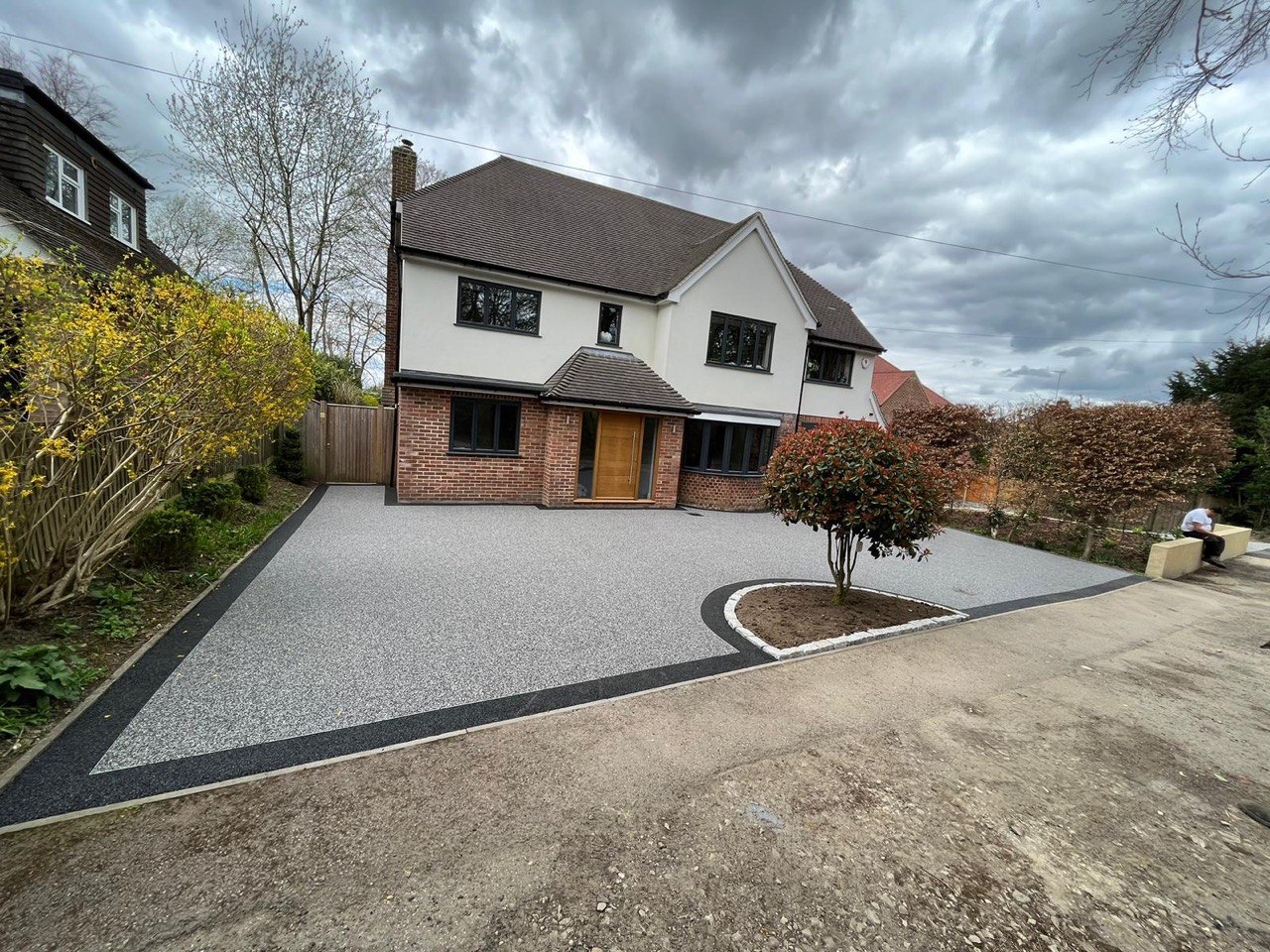
What Makes Tarmac Suitable for Newbuild Roads and Access Areas?
Newbuild roads and access areas must provide a dependable surface from the moment a development becomes operational. They may need to accommodate private vehicles, delivery traffic, service vehicles and regular pedestrian movement while maintaining a neat and consistent appearance.
For newbuild projects in Mundford, Norfolk, tarmac is a practical surfacing option because it combines strength, versatility and a smooth finish. Its long-term performance, however, depends on careful planning, appropriate ground preparation and professional installation.
Why Tarmac Works Well for Newbuild Access
Tarmac can be used across developments of different sizes, from individual property entrances to shared access roads and larger parking areas. It creates a continuous surface that can be designed around the anticipated traffic, site layout and drainage requirements.
The visible tarmac layer is only one part of the construction. A suitable formation, stable sub-base and correctly compacted layers are all essential if the completed road or access area is to perform reliably.
A Strong Surface for Regular Vehicle Movements
Newbuild access areas are often used frequently from the moment they open. Repeated turning, braking and parking place considerable demands on a surface, particularly around entrances, junctions and loading points.
When its foundations and material specification are appropriate for the expected use, tarmac can withstand regular vehicle movements without becoming loose or uneven. Different areas can be constructed according to the loads they will carry, rather than applying one unsuitable specification across the whole site.
This is particularly important where occasional heavier vehicles will use the same access as cars and light vans.
Suitable for Roads, Entrances and Parking Areas
One of tarmac’s main advantages is its adaptability. It can provide a consistent finish across several connected parts of a newbuild development, including:
- entrance roads
- shared access routes
- individual driveways
- turning areas
- parking spaces
- pathways
- service and delivery access points
Using the same surface across adjoining areas can create a coherent layout while reducing awkward transitions between different materials.
Smooth and Practical for Everyday Access
A properly laid tarmac surface provides a smooth route for vehicles, pedestrians, pushchairs and mobility aids. Its continuous finish avoids the loose aggregate and pronounced joints associated with some other surfaces.
Clearly formed edges can separate vehicle routes from paths, landscaped areas and neighbouring plots. Kerbs, drainage channels and other features can also be incorporated to create a defined and practical layout.
The result is an access surface designed around how people will actually move through the development.
Efficient Installation Across Larger Areas
Tarmac is well suited to roads and access areas that cover a substantial surface area. Once the groundworks and sub-base have been completed, the material can be laid and compacted systematically to produce an even finish.
Efficient installation does not mean that preparation can be rushed. The formation must be stable, levels must be accurate, and the sub-base must be properly compacted before surfacing begins.
Coordinating tarmac installation with other construction activities also helps prevent the completed surface from being damaged by unfinished groundworks or unnecessary heavy traffic.
Proper Foundations Support Long-Term Performance
A tarmac surface is only as dependable as the structure beneath it. Newbuild sites may contain disturbed ground, filled areas or sections that have carried heavy construction traffic. These conditions need to be assessed before the road or access area is surfaced.
Preparation may include removing unsuitable material, correcting weak ground and installing a well-compacted sub-base at the required depth. The construction specification should reflect anticipated traffic levels and local site conditions.
Insufficient preparation can lead to depressions, cracking and movement, even when the visible tarmac was initially laid correctly.
Drainage Can Be Built Into the Design
Because newbuild roads are planned before surfacing, levels and drainage can be incorporated into the layout from the outset. Suitable falls direct water away from buildings and prevent it from collecting in parking bays, turning areas or along the edges of the road.
Depending on the site, the design may include channels, gullies or other drainage features. These elements should work with the tarmac surface rather than being added as an afterthought.
Effective drainage protects both the surface and its foundations from prolonged water exposure.
Defined Edges Improve Stability
The perimeter of a tarmac road or access area needs proper support. Kerbs or suitable edge restraints help prevent the material from spreading and breaking away under repeated vehicle pressure.
Edges require particular attention near turning areas, entrances and parking spaces, where tyres frequently travel close to the boundary. Strong restraints also create tidy divisions between the tarmac and surrounding paths or landscaped areas.
The Importance of Planning for Future Use
The surface should be designed for the completed development rather than only for its immediate construction needs. Vehicle numbers, turning movements, parking arrangements and delivery requirements all influence the most appropriate layout and specification.
Areas likely to experience greater pressure may require a different construction depth or additional reinforcement within the underlying structure. Early planning helps ensure that the finished access area remains appropriate as the development settles into normal use.
Professional Installation Makes the Difference
Successful tarmac surfacing requires control over excavation, levels, compaction, layer thickness, joints, drainage and edging. Weakness in any of these areas can reduce the serviceable life of the completed road.
An experienced surfacing contractor can assess site conditions and recommend a construction method suited to the development. This provides greater confidence that the entire surface, from its foundations to its final finish, has been built consistently.
Conclusion
Tarmac is suitable for newbuild roads and access areas because it provides a strong, smooth and adaptable surface for regular vehicle and pedestrian use. It can be applied across entrances, shared roads, parking spaces and turning areas to create a practical and coordinated layout.
Its performance depends on stable foundations, effective drainage, secure edging and a specification matched to the expected traffic. Careful preparation is therefore just as important as the quality of the finished surface.
For newbuild tarmac roads and access areas in Mundford, Norfolk, Mundford Driveways & Surfacing can assess the site and recommend an appropriate surfacing approach. Contact our team to discuss the access requirements and arrange a professional evaluation of the proposed area.
Call us on: 01842 778 593
Click here to find out more about Mundford Driveways & Surfacing
Click here to complete our contact form and see how we can help with your driveway needs.