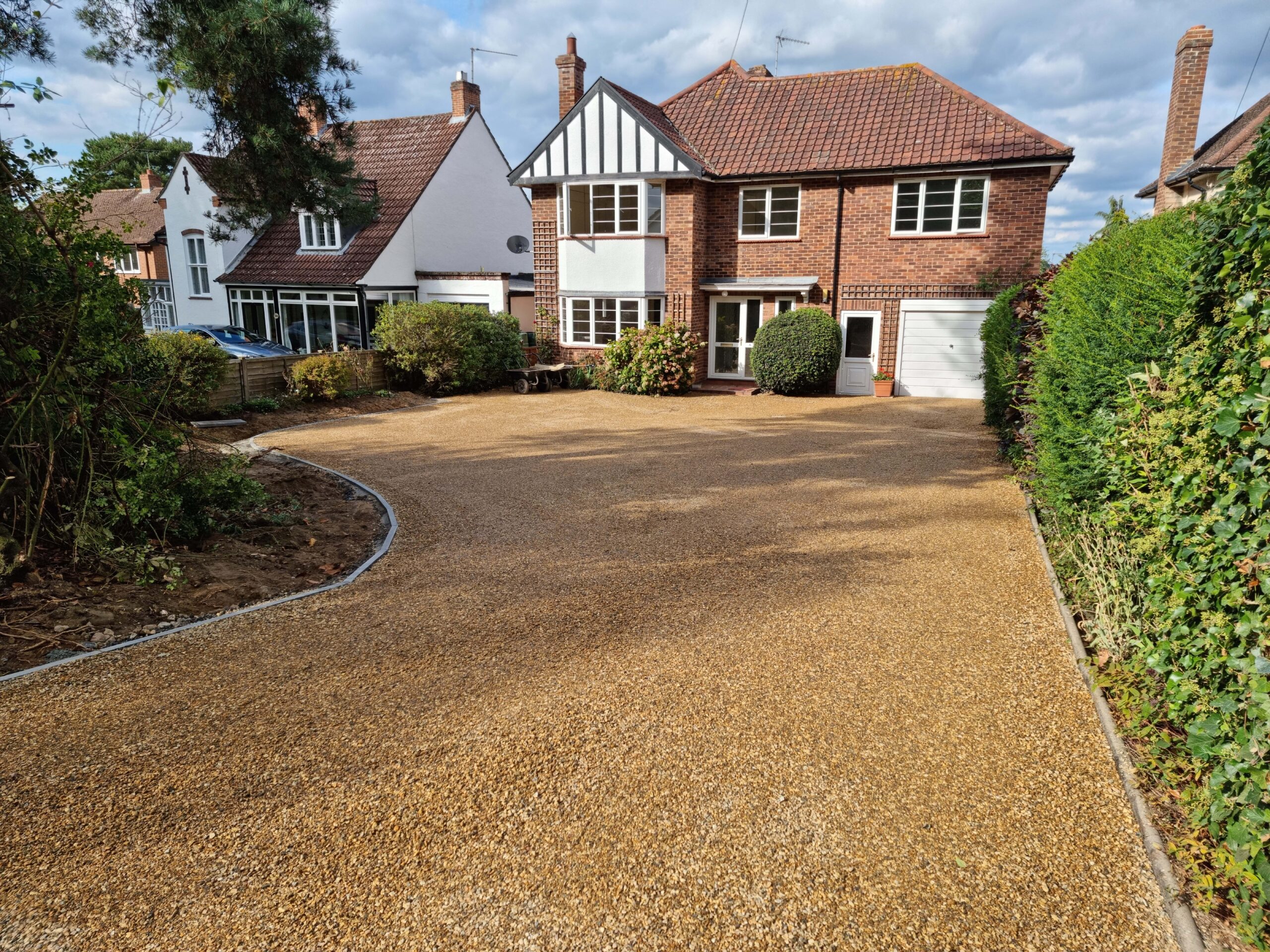
Commercial Tarmac Surfacing: Reliable Surfaces for Business Premises
A well-constructed tarmac surface can make a significant difference to the safety, accessibility and appearance of commercial premises. From business car parks and access roads to loading areas and customer parking spaces, a durable surface helps vehicles move smoothly and supports the daily activities of a business.
For businesses in Mundford, Norfolk, choosing the right commercial tarmac surfacing involves more than selecting a suitable material. Ground preparation, drainage, expected traffic and installation quality all influence how well the finished surface performs over time. Mundford Driveways & Surfacing provides surfacing services to help businesses create practical, professional outdoor areas suited to their operational needs.
Why Choose Tarmac for Commercial Premises?
Tarmac is a popular surfacing option for commercial environments because it provides a smooth, continuous finish suitable for regular vehicle and pedestrian use. When correctly specified and installed, it can offer reliable performance across a range of business settings.
Its versatility makes it suitable for car parks, access routes, service areas and private roads. The finished surface can also create a tidy, consistent appearance that complements the surrounding buildings and external layout.
Another important advantage is that tarmac can be adapted to suit different site requirements. The construction beneath the surface can be designed according to ground conditions and anticipated loading, helping ensure the finished area is suitable for its intended purpose.
1. Assessing Your Business’s Surfacing Requirements
Before installing commercial tarmac, consider how the area will be used throughout the working day. A customer car park has different requirements from a loading bay or an access route used by larger vehicles.
Think about the volume of traffic, the types of vehicles expected and whether certain sections will experience repeated turning, braking or concentrated loads. These activities can place additional stress on the surface and should influence the construction specification.
The layout also deserves attention. Clearly defined parking spaces, convenient access routes and suitable turning areas can improve how efficiently the premises operate. Planning these details before installation helps create a surface that supports both daily business activities and the movement of visitors.
Mundford Driveways & Surfacing can help assess the intended use of your premises and identify the surfacing requirements that need to be considered.
2. The Importance of Ground Preparation
The durability of commercial tarmac depends heavily on the condition of the ground beneath it. If the foundation is unstable or inadequately compacted, the finished surface may develop cracks, ruts or depressions under repeated traffic.
Proper preparation begins with assessing the existing ground and removing unsuitable material where necessary. The formation must be brought to the appropriate levels before a suitable sub-base is installed and compacted.
The depth and construction of the supporting layers should reflect the site’s ground conditions and expected loading. Areas intended for frequent heavy vehicle movements may require a different specification from spaces used mainly by cars.
Thorough preparation provides a stable foundation for the tarmac and helps reduce the likelihood of premature surface deterioration. It is one of the most important stages in achieving a dependable commercial surface.
3. Drainage and Surface Water Management
Effective drainage is essential for maintaining commercial tarmac surfacing. Standing water can make parking areas and access routes less convenient to use, while water entering defects in the surface may weaken the layers beneath.
The surface should be designed with appropriate gradients so that rainwater flows towards suitable drainage points rather than collecting in low areas. Drainage arrangements should also account for surrounding buildings, kerbs, entrances and neighbouring surfaces.
For business premises in Mundford, Norfolk, the site’s ground conditions and existing drainage should be considered before work begins. Coordinating drainage with the surfacing design helps prevent avoidable problems after installation.
Keeping drainage channels and outlets clear after completion also supports the long-term condition of the surface.
4. Choosing the Right Tarmac Specification
Not every commercial site requires the same surfacing construction. The appropriate materials and layer thicknesses depend on the intended use, traffic levels and supporting ground.
A car park serving staff and customers may need a different specification from a service yard used by delivery vehicles. Areas exposed to repeated turning movements or heavier loads require particular attention when selecting the construction.
The surface should also provide a suitable finish for the way the premises are used. Consistent levels and well-formed edges help create a neat appearance, while carefully finished connections with existing roads, paths and entrances improve accessibility.
Professional assessment helps ensure the chosen specification reflects the practical demands of the site rather than relying on a one-size-fits-all approach.
5. Installation Quality and Work Scheduling
Correct installation is essential for achieving a durable result. The tarmac must be laid evenly and compacted appropriately to create a consistent surface capable of withstanding regular use.
Poor compaction, uneven laying or weak edges can contribute to early deterioration. Attention to joints, drainage details and transitions between surfaces is equally important, particularly in areas that experience frequent vehicle movements.
For commercial premises, installation should also be coordinated with business operations. Planning access arrangements and scheduling work carefully can help reduce disruption to employees, customers and deliveries.
Mundford Driveways & Surfacing can help businesses plan their surfacing project with consideration for the site layout and the intended use of each area.
6. Maintaining Commercial Tarmac Surfaces
Even a well-installed surface benefits from regular checks. Removing debris, keeping drainage points clear and monitoring areas of heavy use can help maintain the condition of commercial tarmac.
Look for early signs of deterioration, including cracks, loose edges, depressions and areas where water collects. These defects should be assessed promptly, as water entering damaged sections can contribute to further weakening.
Periodic maintenance can help identify localised issues before they affect larger sections of the surface. The most suitable maintenance approach will depend on the surface’s condition, age and usage.
Conclusion
Commercial tarmac surfacing provides a practical solution for business car parks, access roads and service areas when it is designed and installed to suit the site. Careful ground preparation, effective drainage, suitable materials and consistent workmanship all contribute to long-term performance.
If your business premises need a new tarmac surface or improvements to an existing area, contact Mundford Driveways & Surfacing to discuss your requirements. The team can help you explore suitable surfacing options for your property in Mundford, Norfolk.
Call us on: 01842 778 593
Click here to find out more about Mundford Driveways & Surfacing
Click here to complete our contact form and see how we can help with your driveway needs.